Live Demonstrations
Richard Armstrong brings working spatial computing hardware to conferences, executive events and board sessions, so that audiences experience the technology rather than watch a video of it.
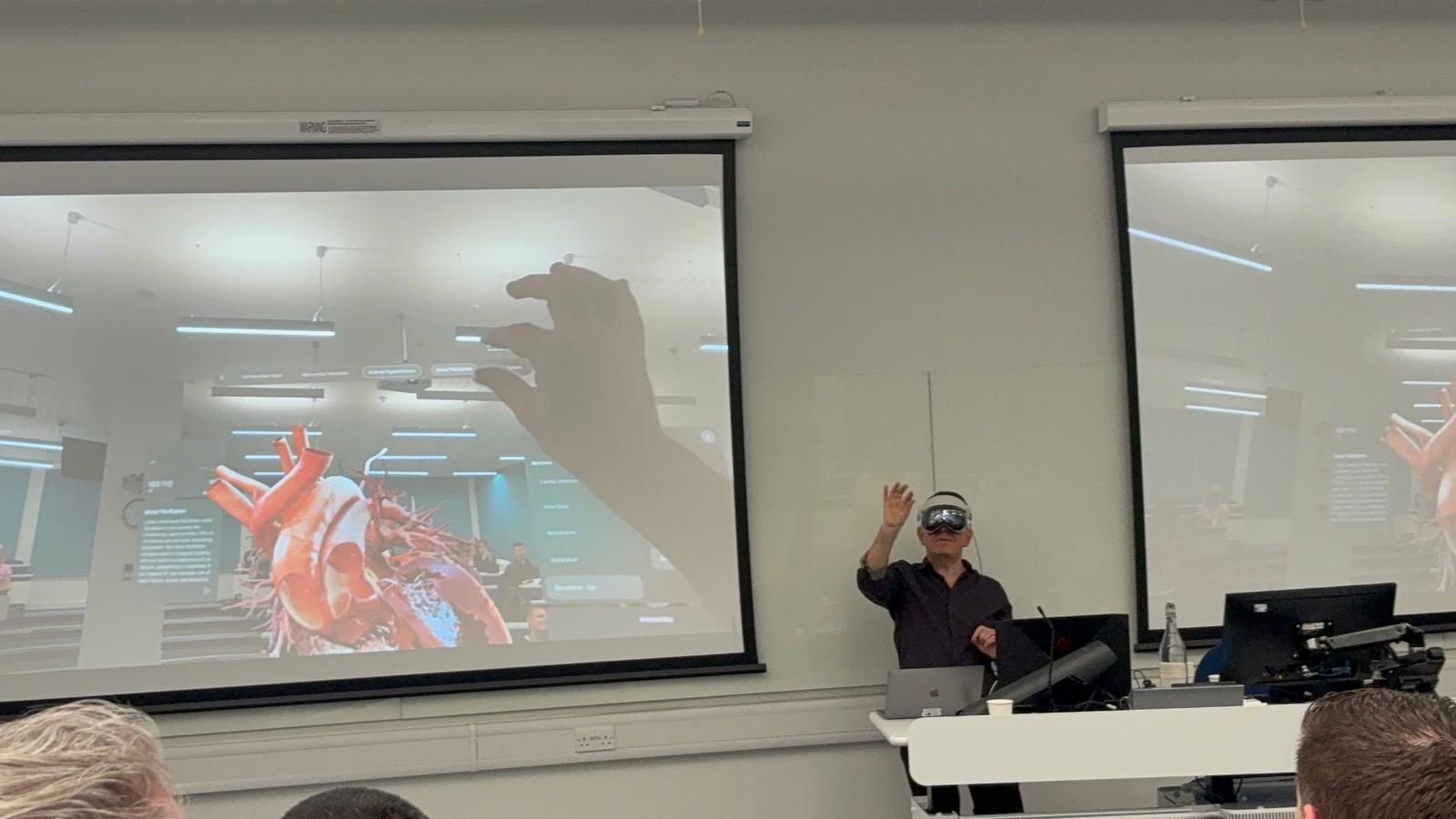
Most people making decisions about spatial computing have never worn a headset. They have seen the marketing, read the analyst note, and formed a view without a single minute of first-hand experience. That is why so many programmes are either over-funded on the wrong use case or dismissed entirely.
Five minutes in the right device changes the conversation permanently.
What Richard works with
Richard doesn’t just talk about Spatial Computing; he has worked hands-on with eXtended Reality hardware since 2016 and uses these devices daily, not occasionally.
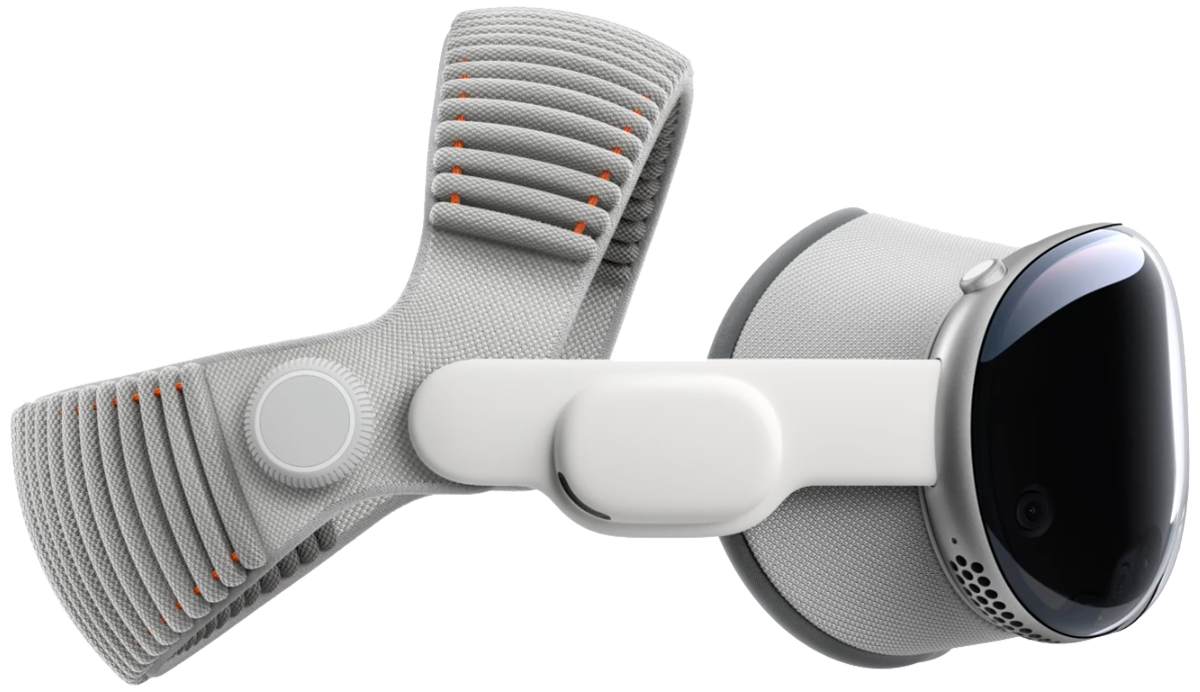
The Apple Vision Pro
The most capable general-purpose spatial computer available - the highest-fidelity passthrough, the most mature operating system, and eye-and-hand input that needs no controllers.
This is the device that shows an executive audience what the category actually becomes. It is not the answer for deployment at scale, and Richard will explain why.
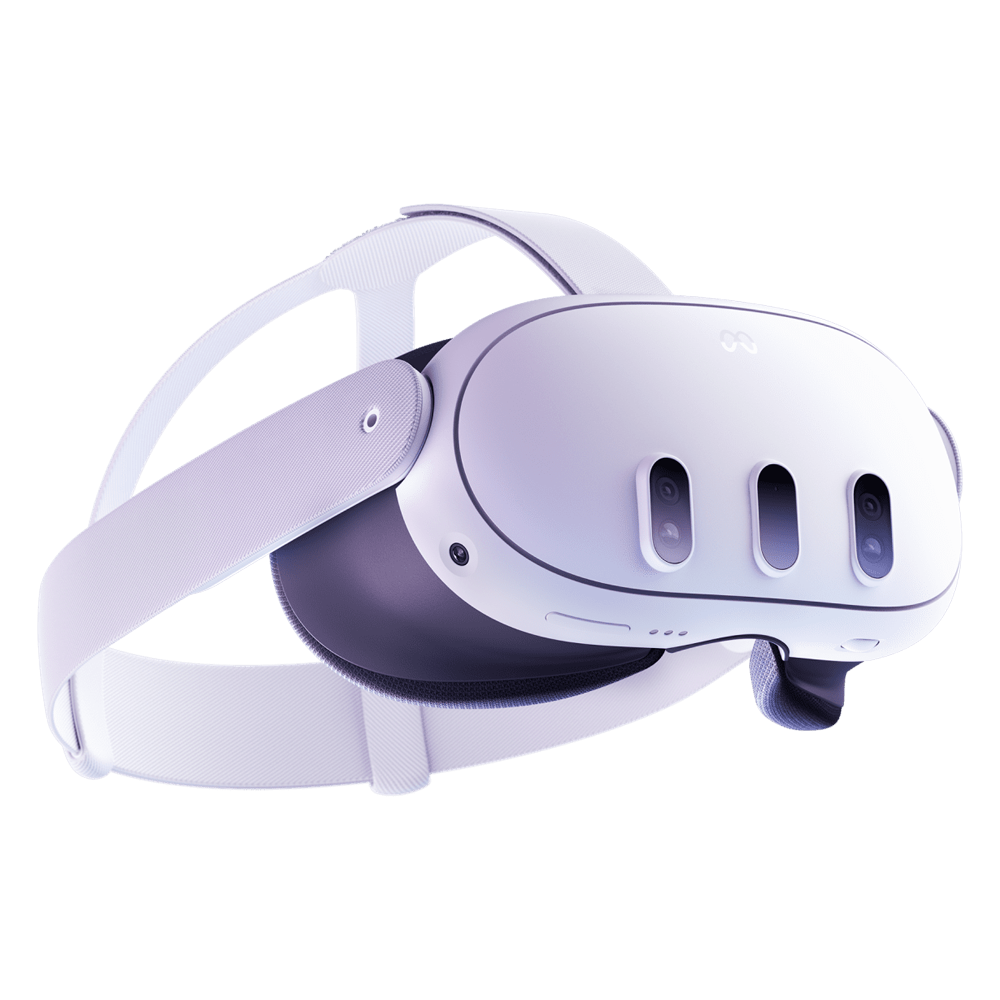
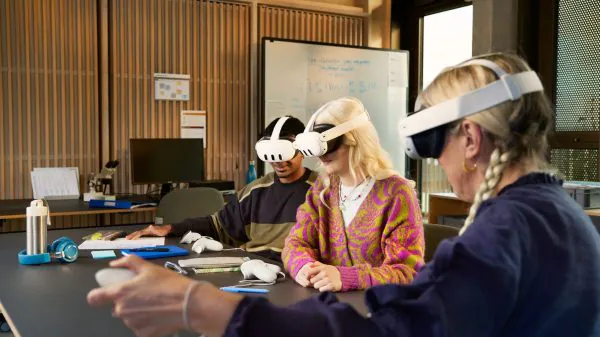
Meta’s Quest 3
The realistic deployment platform. Standalone, wireless, robust and affordable enough to put in the field in quantity.
This is the device most organisations will actually buy, and the workhorse of the demonstration station.
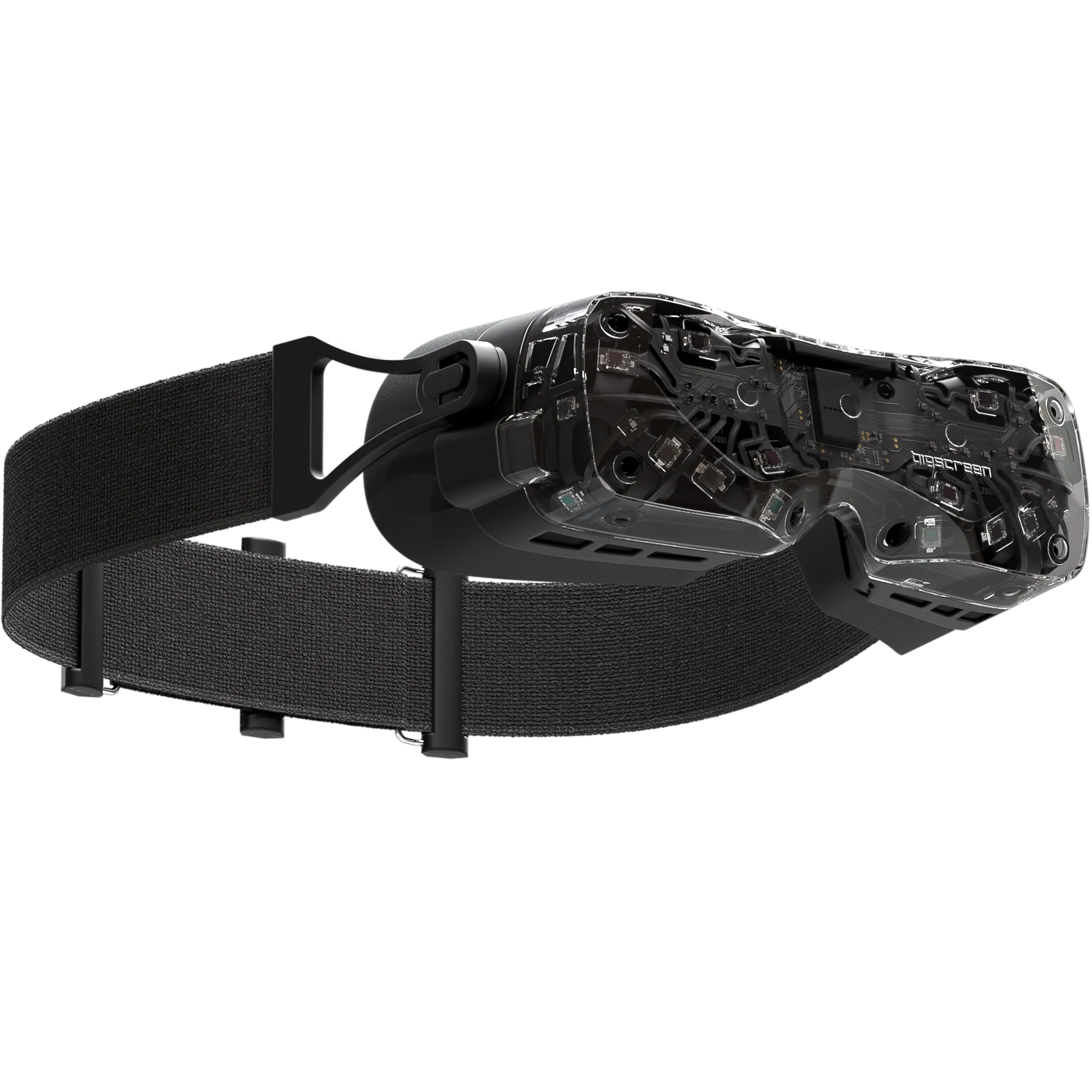
The Bigscreen Beyond 2e
An ultralight tethered PC-VR headset with micro-OLED displays and eye tracking, weighing in at around 110 grams.
It represents the high-fidelity end of the market, where visual quality matters more than mobility — best for design review, simulation, and intricate training.
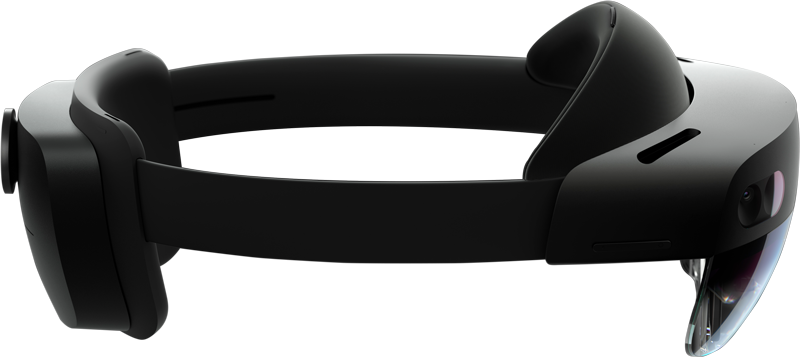
The Microsoft HoloLens 2
Discontinued. Microsoft ended production in October 2024 and exited HoloLens hardware development in February 2025, with official support ending on 31 December 2027.
Richard keeps it, uses it, and talks about it, because the story of what happened to enterprise augmented reality is one of the most useful lessons available to anyone buying spatial computing today.
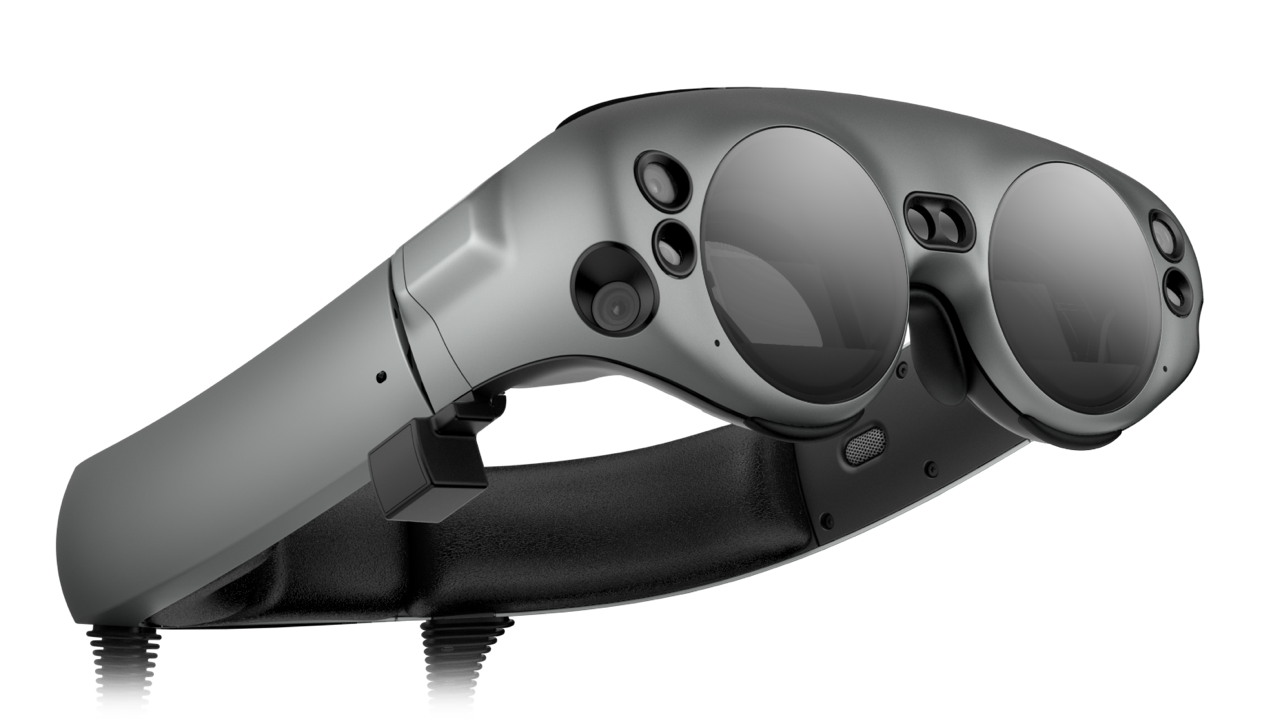
The MagicLeap One
Discontinued, and then switched off. Magic Leap raised over $2bn from investors including Google and Alibaba before shipping anything at all, launched the Creator Edition in August 2018 with a waveguide display offering multiple focal planes, genuinely ahead of anything else on the market, and stopped selling it in December 2022. End of life was set at 31 December 2024. On that date the cloud services were shut down, and the device did not simply stop receiving updates: the headset and its applications ceased to function, because core functionality depended on an authentication check against a server that no longer exists.
Richard still brings it into the room. It no longer works, and that is precisely the point. HoloLens shows you what happens when a vendor leaves the market. Magic Leap One shows you something harder: a device that has to ask permission to work is a device you never owned. Anyone signing a spatial computing contract should read it with that sentence in mind.
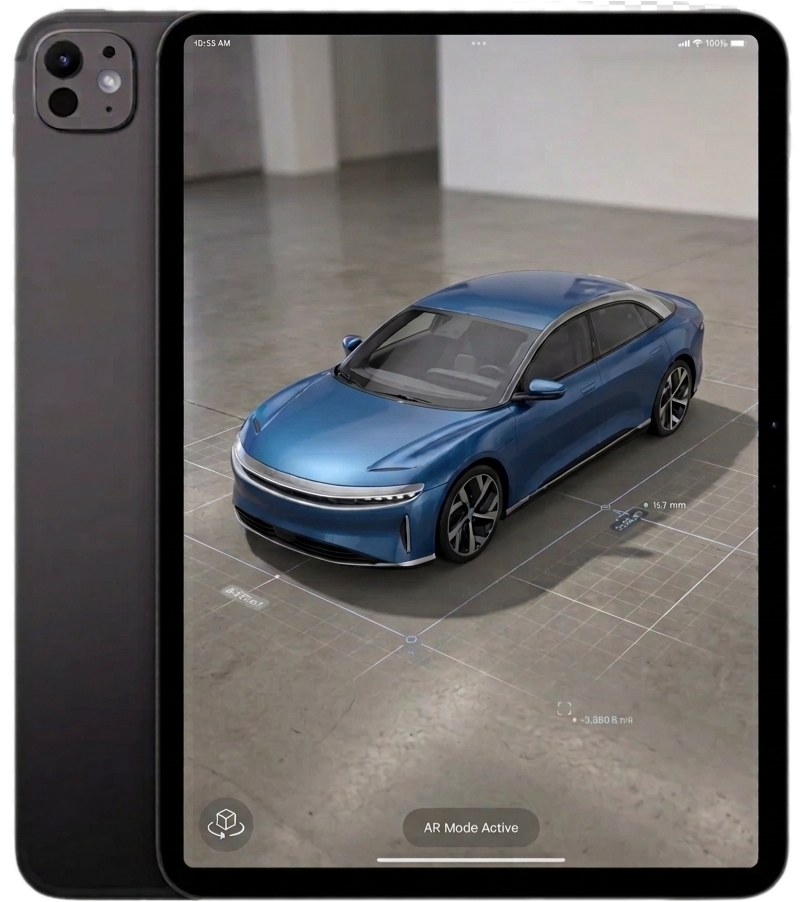
The Apple iPad Pro with LiDAR
A consumer tablet with a built-in LiDAR scanner, measuring reflected laser light to build a three-dimensional model of a space out to around five metres.
It represents the accessible end of spatial capture, where reach matters more than precision — best for site walkthroughs, room capture, and showing an audience where a digital twin actually starts.