
IT and OT strategy for a €15BN cross-border railway
I led the definition of the IT and Operational Technology strategy for a €15BN high-speed rail construction programme spanning three European countries, delivering an enterprise architecture blueprint and a decade-long digital readiness roadmap, supporting two vastly different phases of the programme.
I defined the IT and Operational Technology strategy for a €15 billion high-speed rail construction program that spans three European countries. This involved delivering an enterprise architecture blueprint and a decade-long digital readiness roadmap to support the program's two significantly different transition phases.

The problem
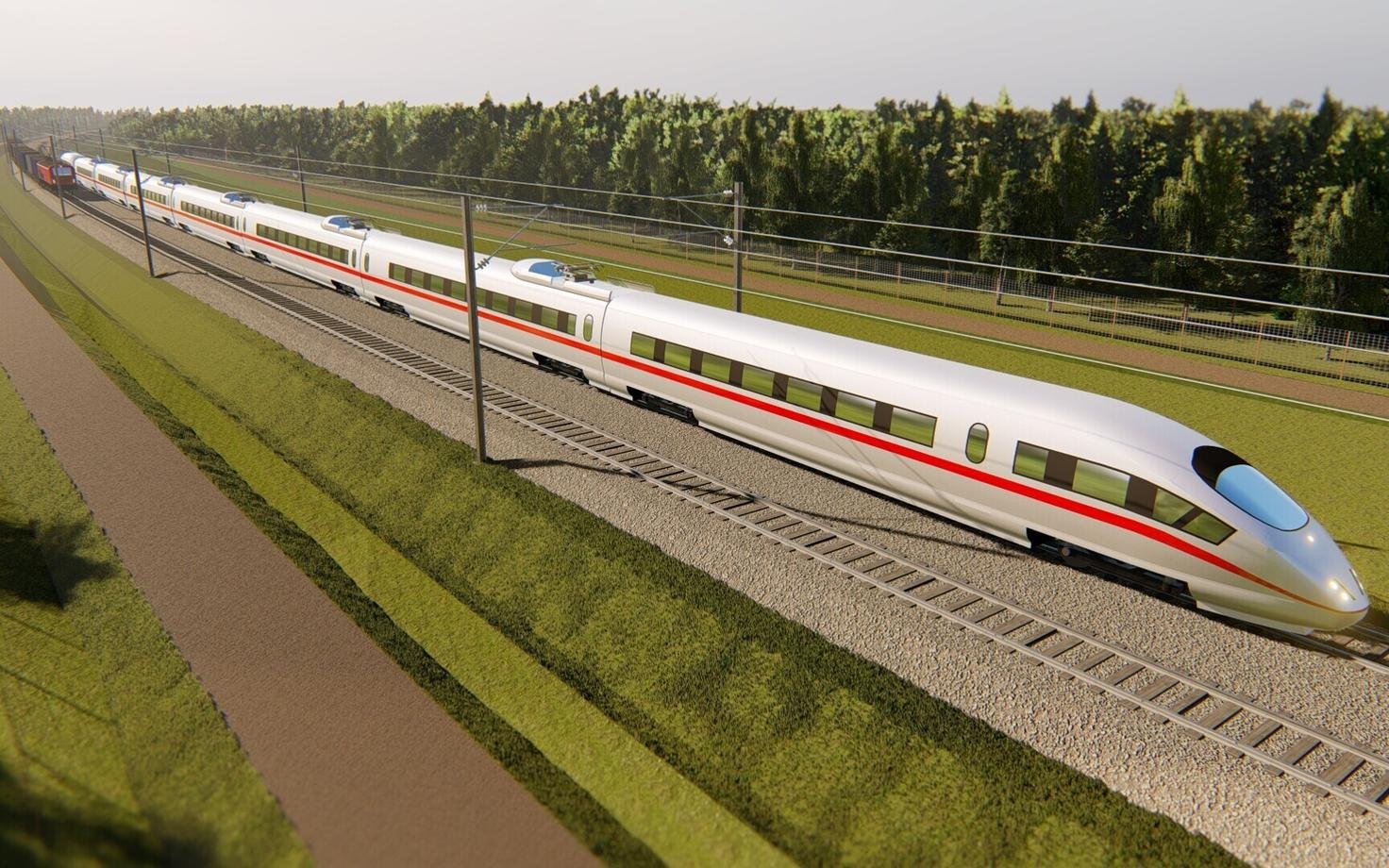
A massive "greenfield" high-speed railway infrastructure project intended to integrate three neighbouring countries into the European rail network. The client needed a long-term IT Strategy that could avoid the common, costly integration challenges faced by legacy railways.
The primary challenge was designing an Enterprise Architecture capable of supporting two vastly different phases: the Implementation stage (designing and building the railway) and the Operations stage (running the railway). To complicate matters, there was a significant risk that the finalised Operating Model for the Operations stage would not be available when the architecture work began.
A major focus of the engagement was ensuring that Information Technology (IT) and Operational Technology (OT) did not become siloed and identifying new technologies that could provide a strategic advantage, specifically by leveraging advanced technologies for condition monitoring and asset/component tracking throughout the lifecycle.
Integrating these technology domains was critical for a modern, digital railway.
What I did
I led the definition of the IT and operational technology strategy for a €15BN high-speed rail programme spanning three European countries, delivering an enterprise architecture blueprint and a decade-long digital transformation roadmap.
As the lead Enterprise Architect, my team and I conducted framing assessments, engaged stakeholders across the programme, and defined a scalable, future-proof common enterprise architecture integrating IT and OT systems for the railway to meet the client’s strategic objective of “one railway, one system, one operating model and one set of rules and standards”.
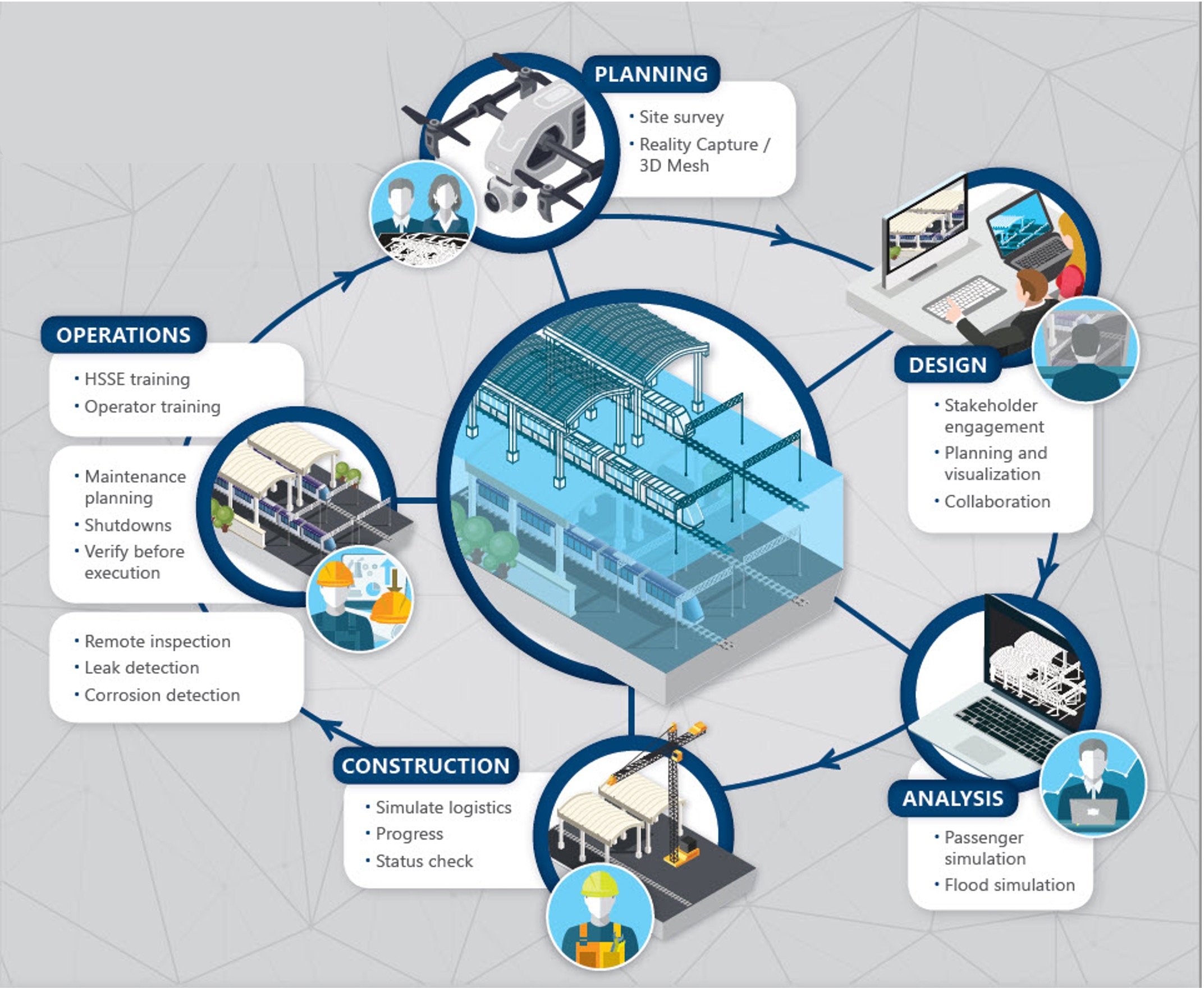
That included architecting a foundational Digital Twin strategy by defining the evolution of static Building Information Modelling (BIM) and Common Data Environments into a dynamic, operational asset register.
This included a unified IT/OT integration framework to act as a "single pane of glass," securely bridging enterprise IT systems with critical Operational Technology like SCADA, Energy (ENE), and Control, Command, and Signalling (CCS) systems.
I designed a data architecture framework that eliminated the traditional demarcation barriers between operational control systems and IT. This foundation set the stage for a comprehensive Digital Twin, ensuring secure, cross-domain information flow for future rail operations, asset tracking, and emergency response capabilities.
The roadmap was built as a sequence of architecture horizon states rather than a single destination, so that a programme running over ten years could deliver value at each stage and absorb the technology changes that would inevitably arrive mid-flight.

What changed
The programme received a comprehensive enterprise architecture-led strategy, blueprint and roadmap, enabling operational efficiency, digital transformation and ensuring long-term technology alignment across three countries.
The wider lesson
In any asset-heavy program that is set to outlast its existing technology assumptions, the architecture must be deliberately designed for partial replacement.
Horizon states are not optional planning tools; they are essential for committing to a decade of delivery, allowing us to navigate the unknowns of year eight with clarity and confidence.