Extended reality automotive retail across 35 international markets
Situation
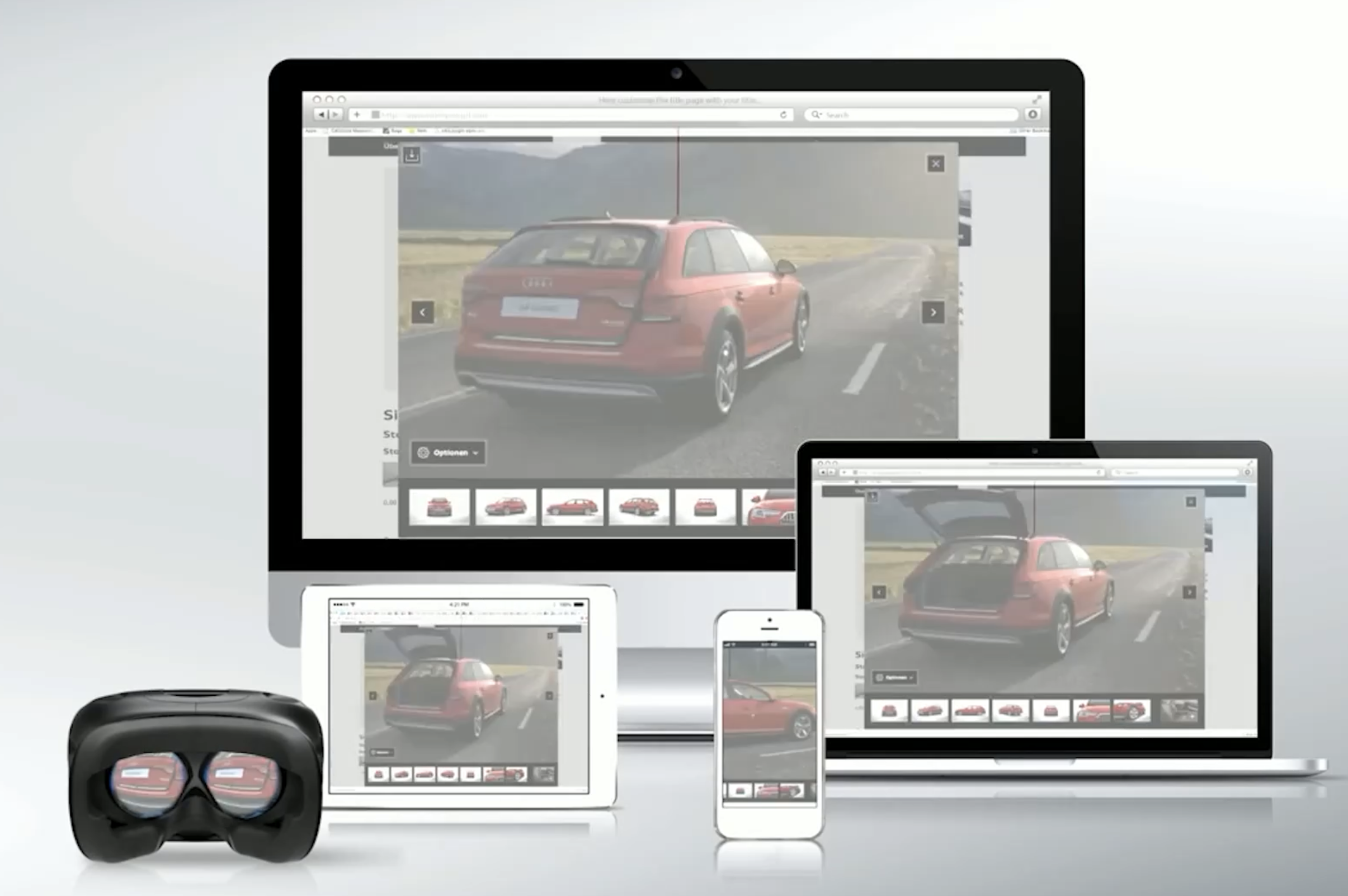
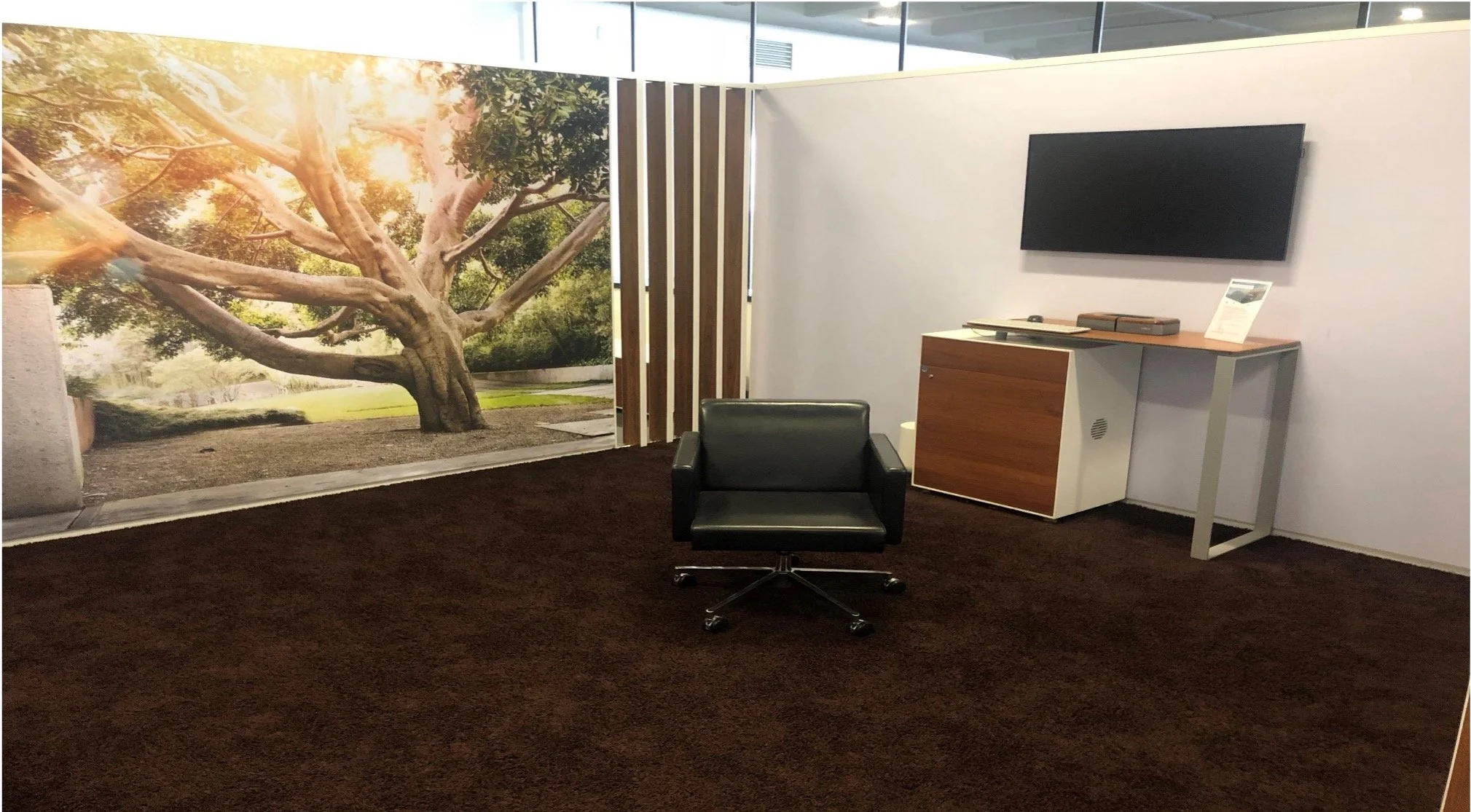
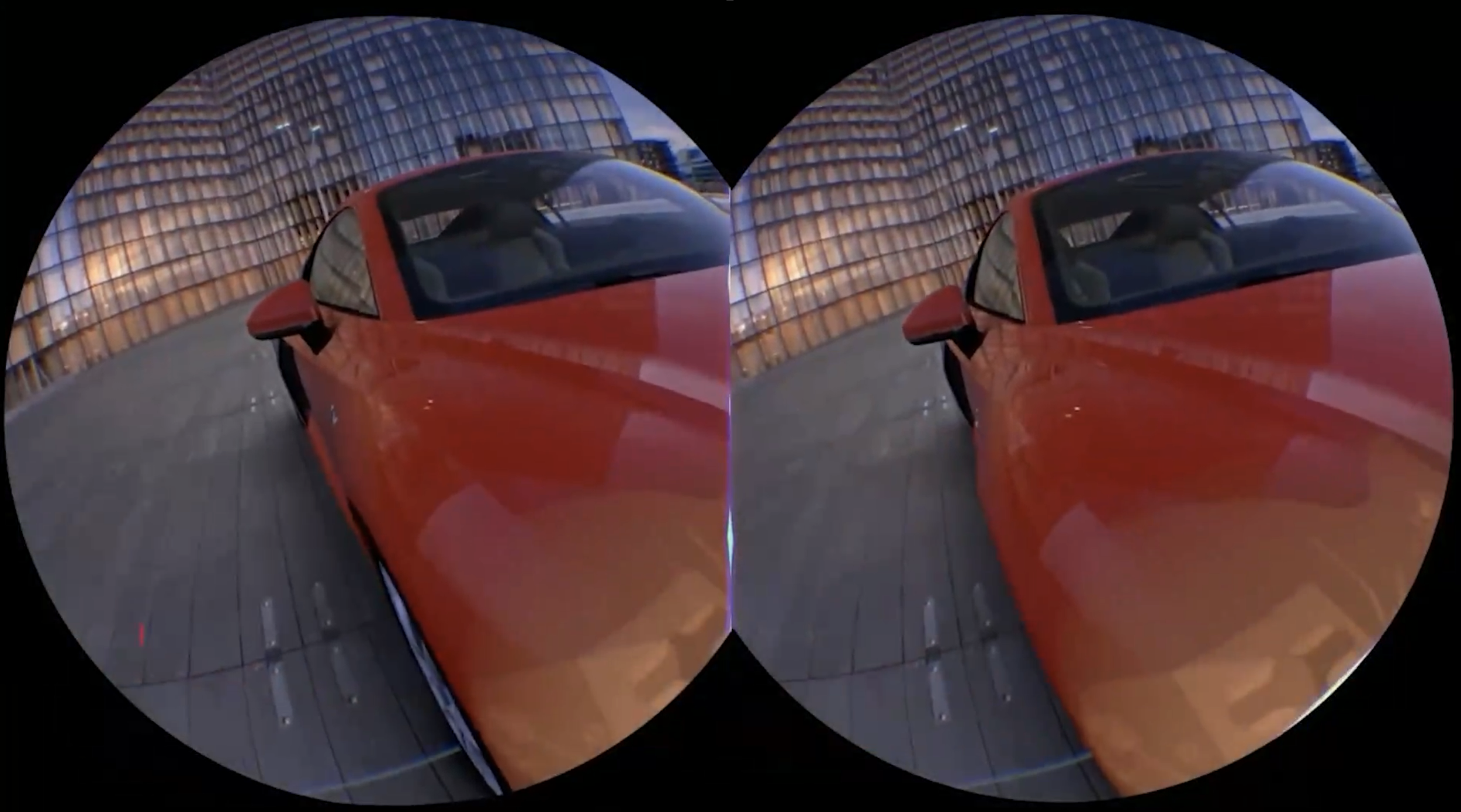
As Global Enterprise Architect at a FTSE-listed automotive distribution and retail group operating in 35 markets with 20,000 staff, I tested and developed the capability to roll out virtual and augmented reality retail solutions for premium German automotive brands, deployed globally across retail centres and across mobile device platforms.
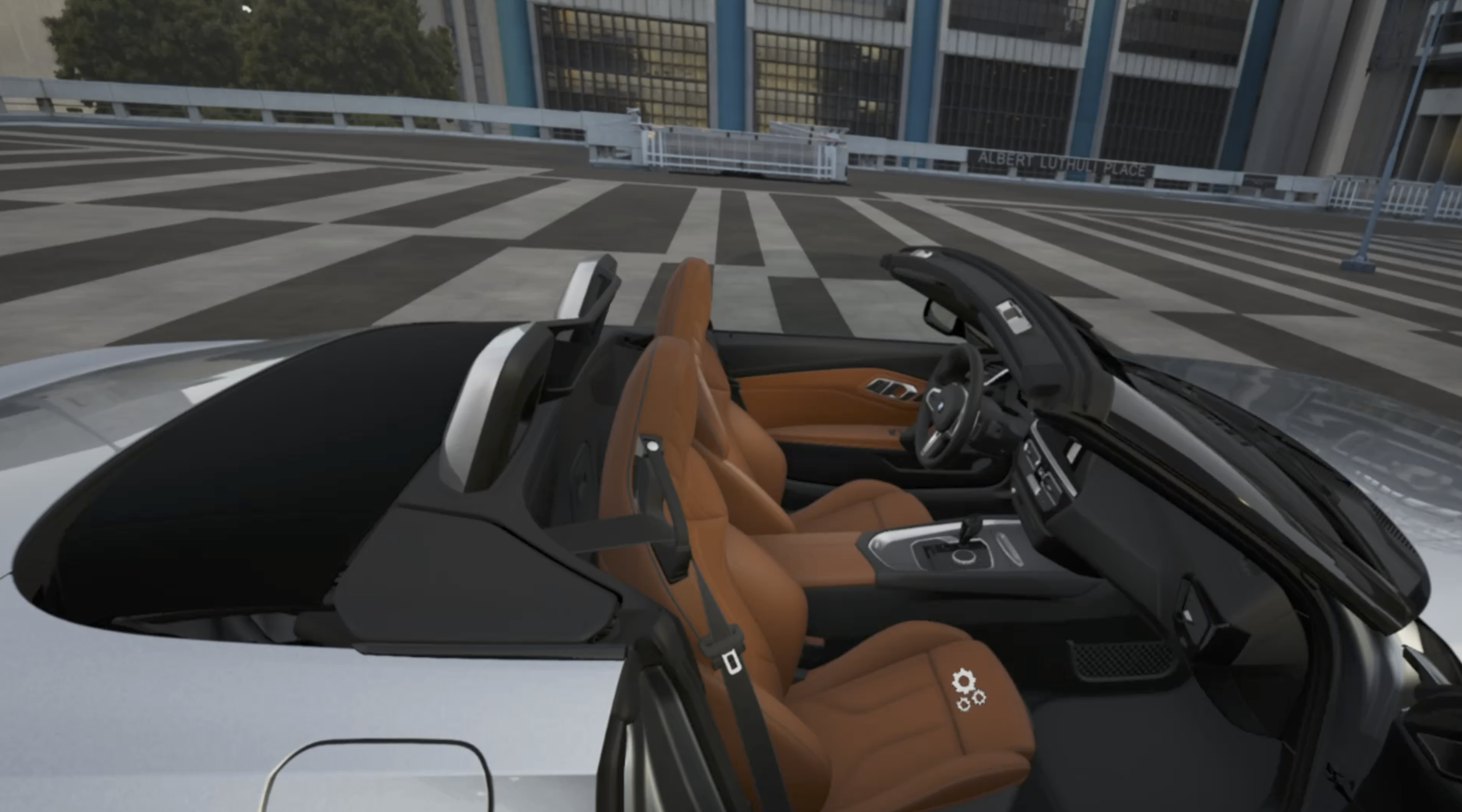
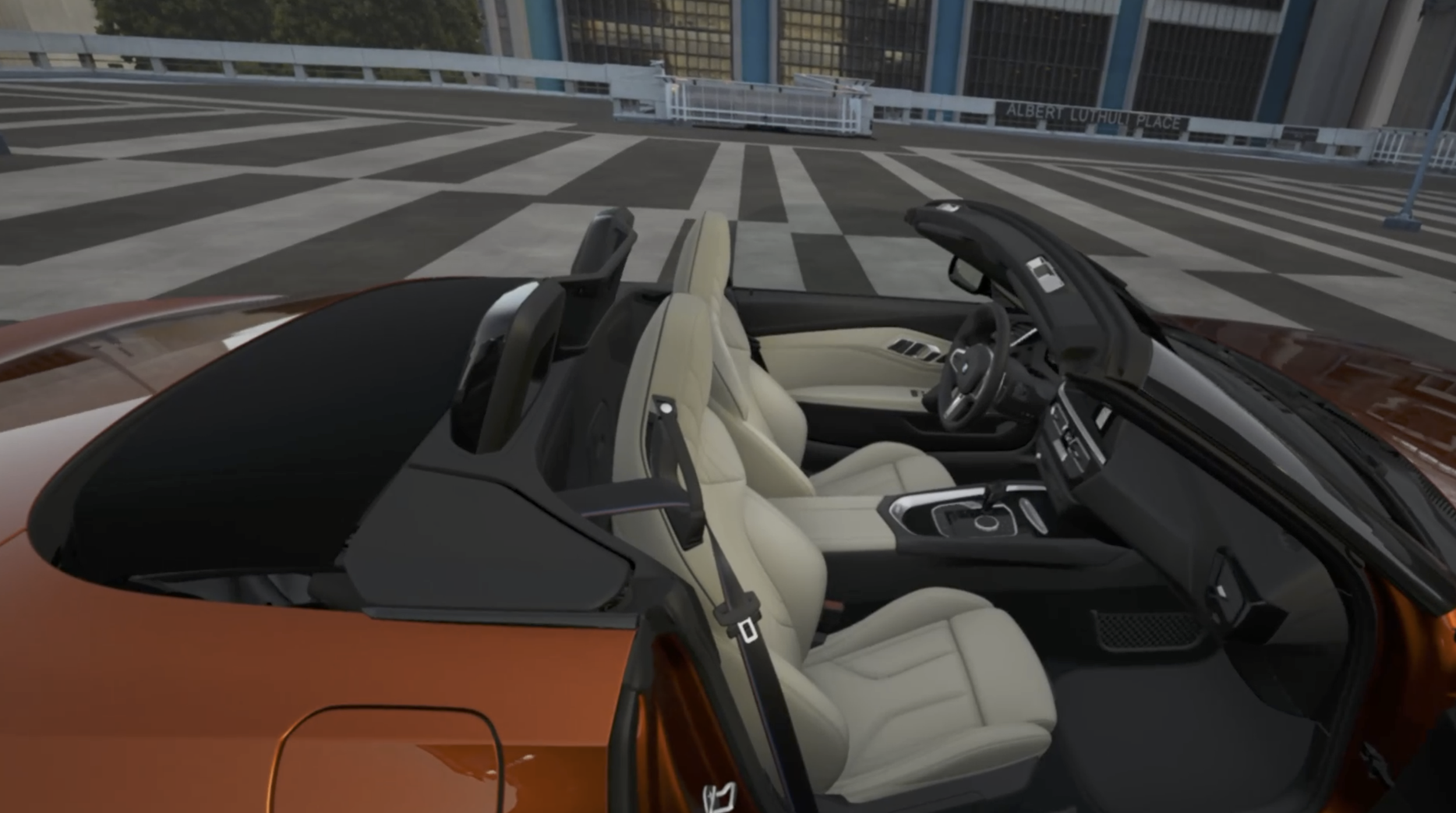
The problem
A premium car is made up of tens of thousands of configuration options, making it impossible for any showroom to display and showcase all possibilities. Customers were often required to commit significant sums to a specification they had never seen, relying only on a brochure and a paint chip. Sales executives struggled to maximise profits from “option sales” if they could not show them to customers on their configured vehicles.
The manufacturers had already developed immersive solutions, but the retailers did not have the expertise to deploy and showcase the extended reality product. What was missing was any credible route from a demonstration to something that could be deployed across dozens of countries and survive scrutiny from the commercial director.
What I did
I established the Group Architecture Practice from scratch, setting global standards, governance and architecture principles, and travelled internationally to socialise the strategy and new ways of working for the global architecture team.
Against that foundation, the extended reality work became deployable consistently rather than experimental.
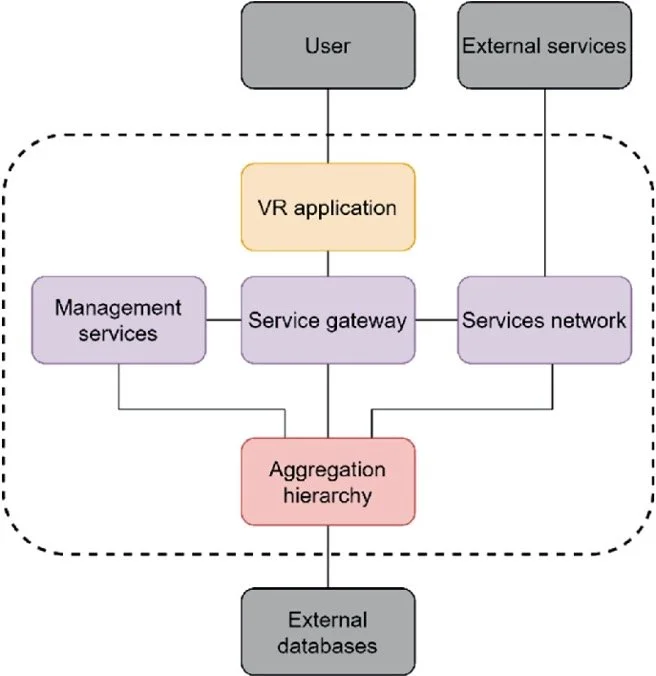
It sat on a globally standardised architecture: a regional federated Microsoft 365 estate, consolidated from nine, a global SD-WAN connecting 35 markets and two cloud tenants into a single mesh, an enterprise-wide single sign-on and federated identity service, and a cloud iPaaS integration architecture spanning eCommerce, CRM, web content management and business intelligence across all 35 markets.
What changed
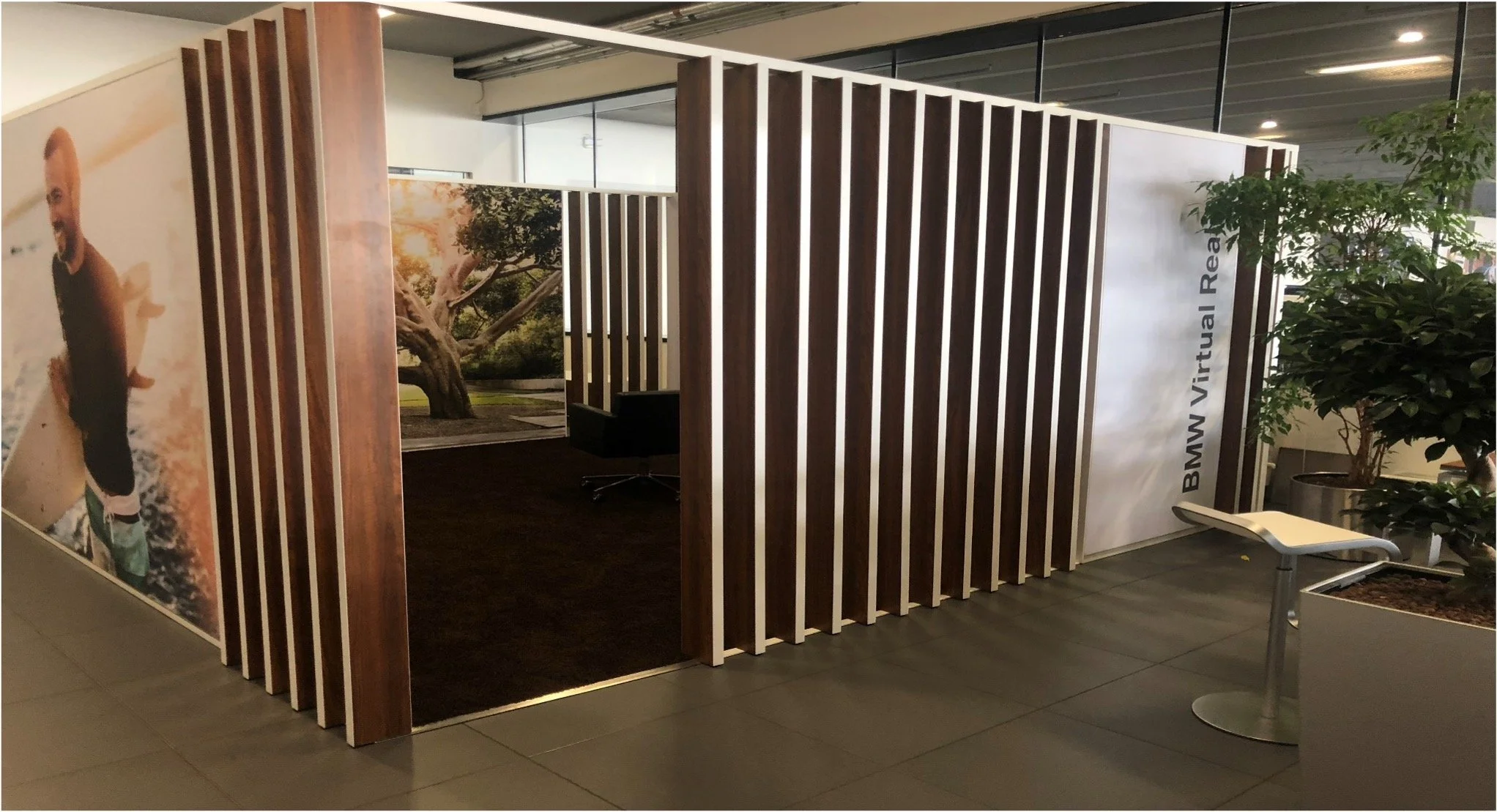
The virtual and augmented reality solutions were implemented globally, enhancing the digital customer experience in retail centres and on mobile.
The wider lesson
Immersive technology pilots rarely fail on the immersive technology.
They fail because there is no architecture underneath capable of carrying them to scale - no identity model, no integration layer, no network, no governance. The unglamorous work is what determines whether the glamorous work survives the pilot.