
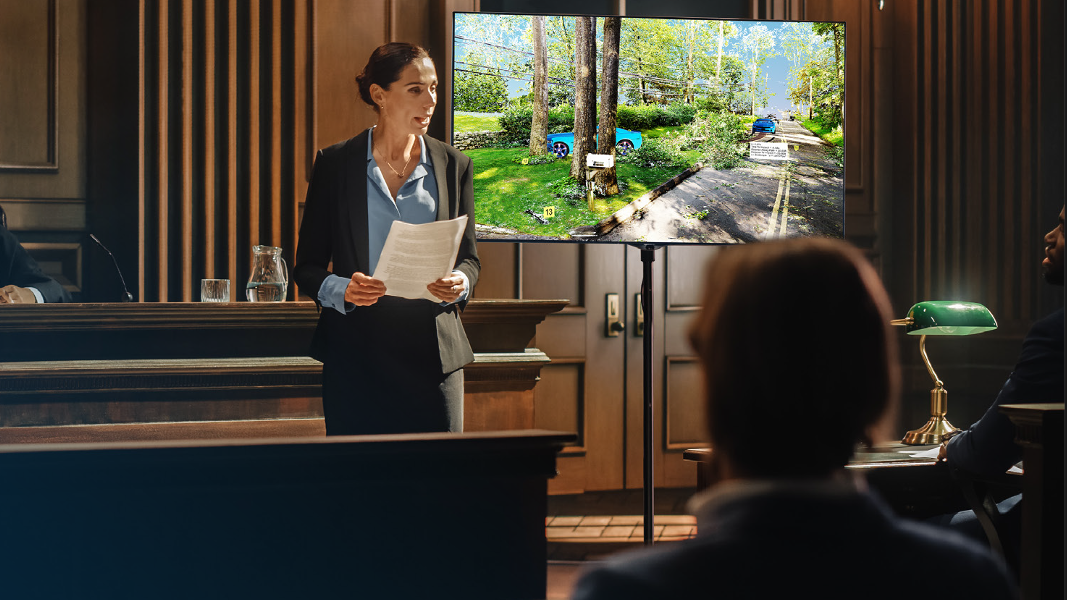
Evidence you can walk into:
LiDAR and Virtual Reality in the justice system
At His Majesty’s Courts & Tribunals Service, I introduced 3D LiDAR scanning for crime scene capture and virtual reality for immersive evidence presentation in courtrooms, and built support for the approach across HMCTS, the Police and the Crown Prosecution Service.
The problem
A crime scene begins to be destroyed the moment it is examined. What survives into a courtroom is a set of photographs, measurements and diagrams - a flattened, partial account of a three-dimensional space, presented to a jury who must reconstruct it in their heads.
The technology to capture that space completely and permanently has existed for years.
The justice system was not using it for all crime scenes that required a detailed capture.
What I did
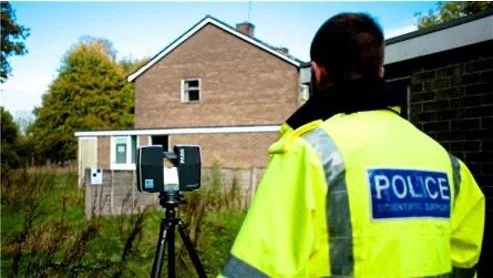
Crime scene capture
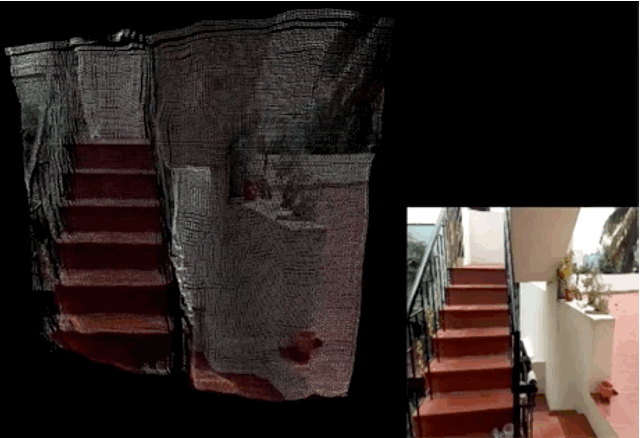
Point Cloud photogrammetry

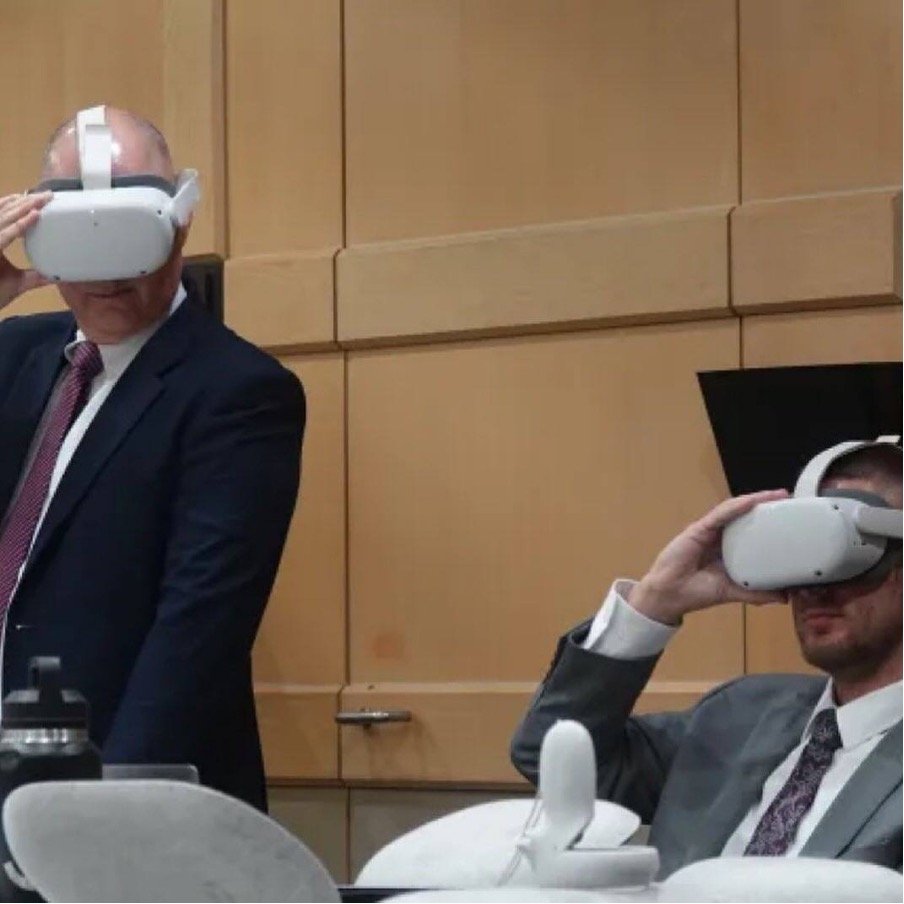
Crime scene in immersive playback in the courtroom
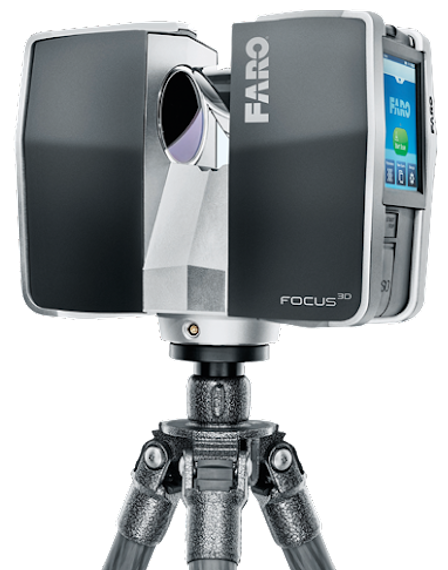
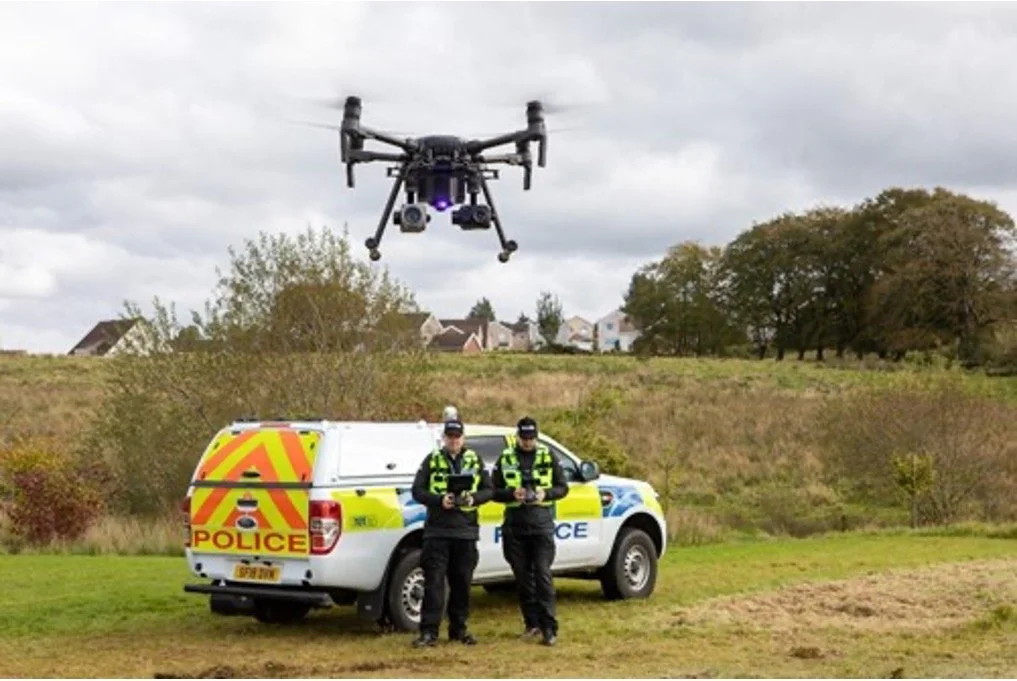
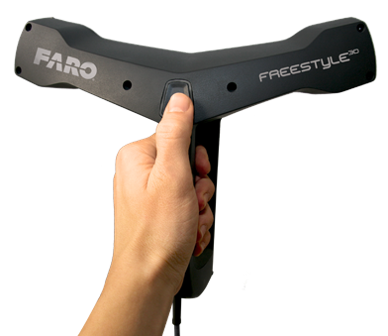
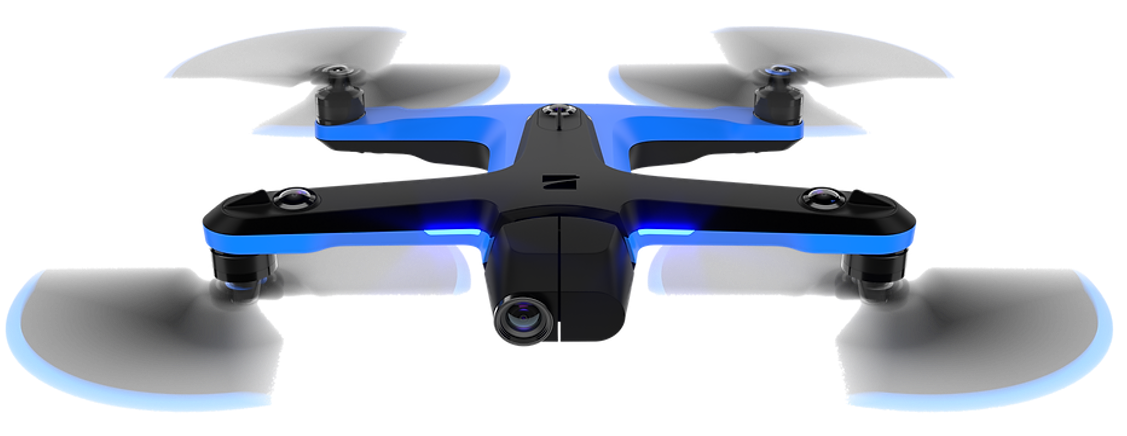
Capture equipment
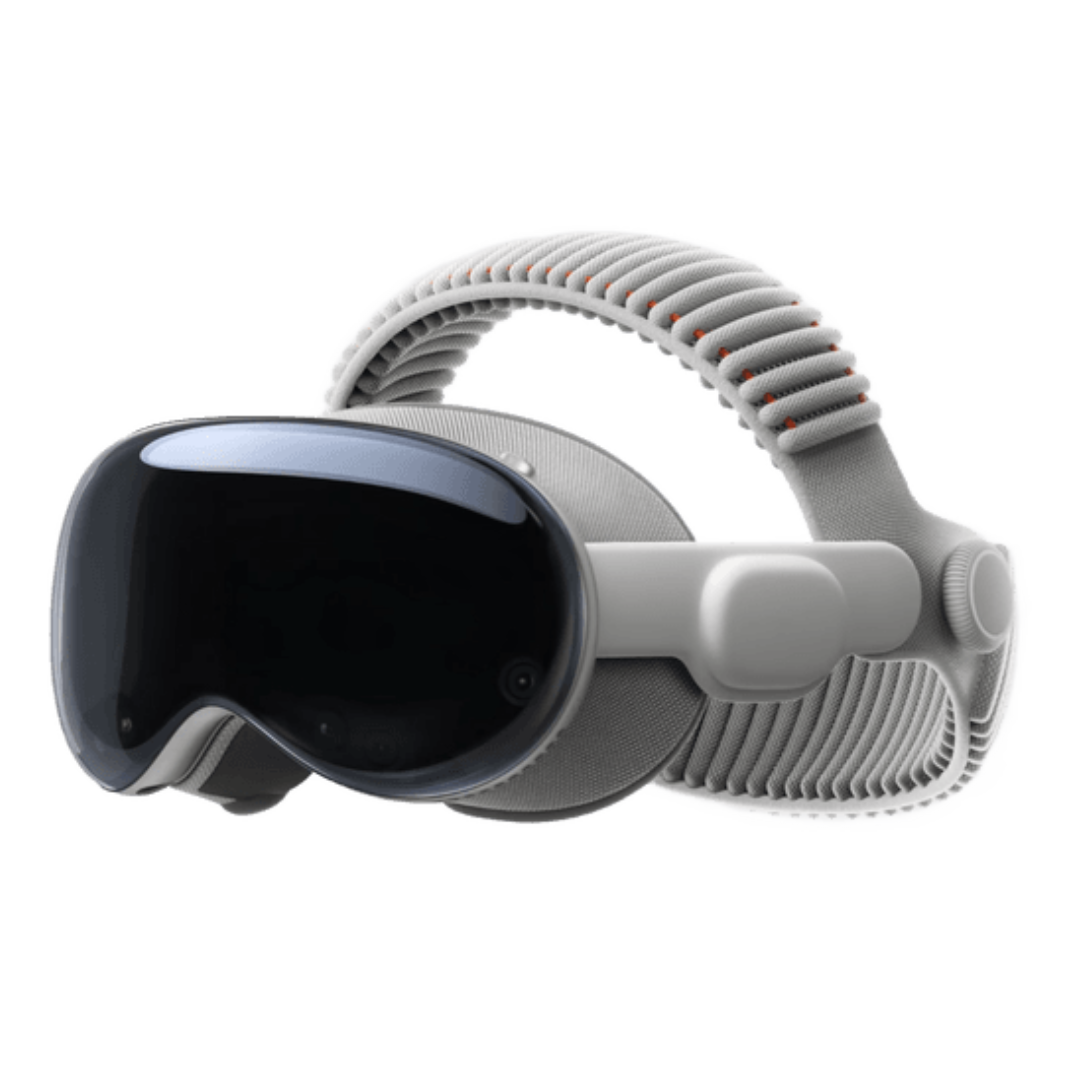
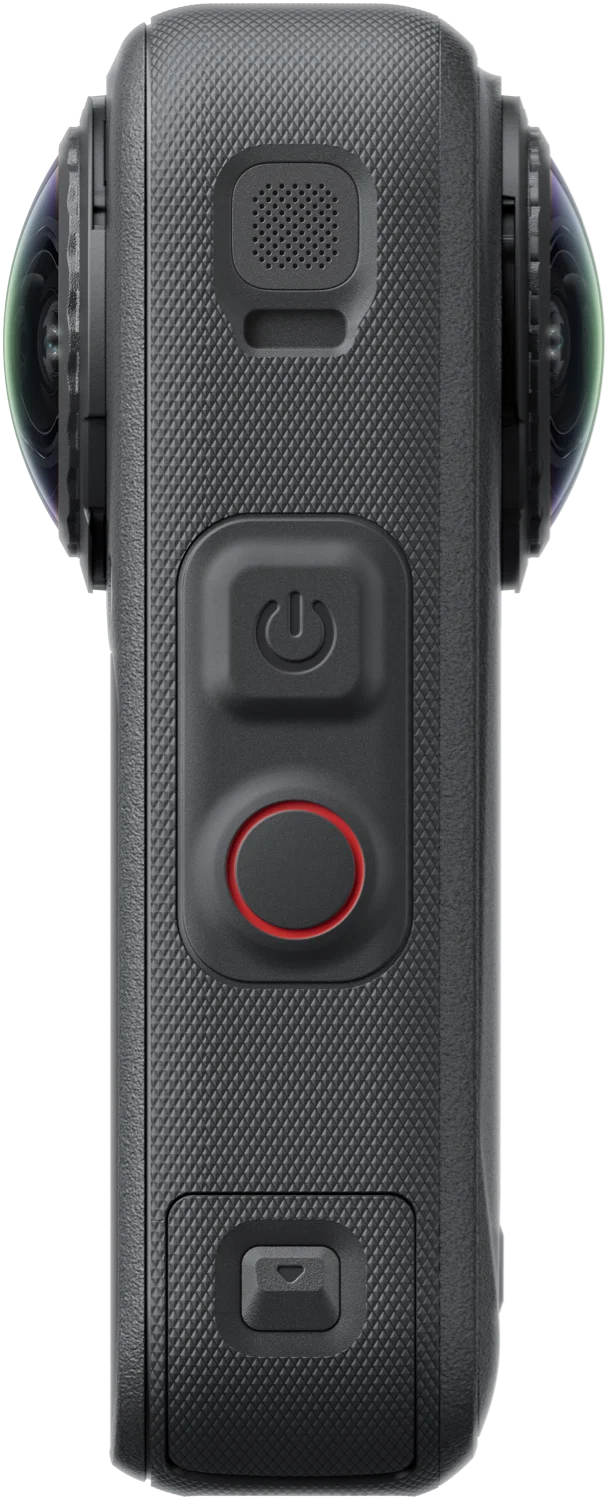
Crime scene immersive viewing equipment
I demonstrated the use of 3D LiDAR scanning, 360-degree photography, and traditional photography, along with post-photogrammetric processing, to capture forensic scenes for virtual reality. I presented an example of captured data as evidence in collaboration with three separate agencies, each with its own mandate.
The technical aspects were clear: a LiDAR scan paired with photographs produces a millimetre-accurate, permanent, and navigable record. This allows a jury to experience the scene directly rather than infer it. The more challenging task was coordinating among the agencies: forensic capture is handled by law enforcement, the prosecution decides what evidence is submitted, and the courts determine what is admissible. All three must work together; if any one of them fails to collaborate, progress halts for everyone.
The courts decide what is admissible.
All three have to move together, or none of them moves at all.
What changed
The work generated cross-agency interest and support for adopting immersive technologies, laying the groundwork for transforming forensic evidence processes and modernising justice workflows from the Police investigation through to the courtroom.
The wider lesson
Wherever an irreversible physical event occurs and consequential decisions are taken about it afterwards, there is a case for spatial capture.
Crime scenes are the obvious example. Industrial accidents, structural failures, insurance losses and heritage damage are the same problem with different owners. In almost every case, the technology is ready, and the institutional arrangement is not.